My Last Poem-Bài Thơ Cuối Cùng
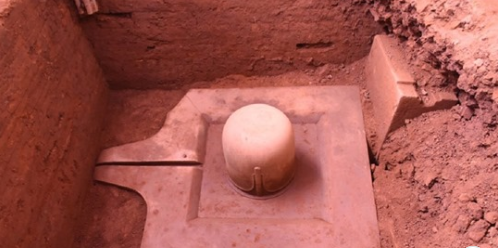
A team from the Archaeological Survey of India have announced the discovery of a monolithic sandstone Shiva Linga dating from around the 9th century AD in the Quảng Nam province, Vietnam.
The Archaeological Survey of India is an Indian government agency attached to the Ministry of Culture that is responsible for archaeological research and the conservation and preservation of cultural monuments.
The discovery was made during a conservation project at Mỹ Sơn, an archaeological site consisting of Hindu temples constructed between the 4th and the 14th century AD by the Kings of Champa, an Indianised kingdom of the Cham people.
The Mỹ Sơn temple complex is regarded as one of the foremost Hindu temple complexes in Southeast Asia and is recognised as a UNESCO world heritage site.
The linga, also called a lingam is an abstract or aniconic personification of Shiva in Shaivism and is generally the primary murti image in a Hindu temple dedicated to Shiva. Lingam iconography is often found at archaeological sites of the Indian subcontinent and southeast Asia that includes simple cylinders set inside a yoni.
The External Affairs Minister for India, S. Jaishankar said: “A great cultural example of India’s development partnership.”
Anh đứng đây trông về nơi em
qua một phía trời có mây và nắng
nắng trải rất mềm hàng cây đứng lặng
mây xõa lưng chừng anh ngẩn ngơ thêm
Anh đứng đây trông về nơi em
qua những lớp dày kẽm gai tường đá
có những cảnh đời rất quen mà lạ
lập lại từng ngày sáng tối chiều trưa
Anh đứng nơi đây trông về phố xưa
cách một quãng đường vài trăm cây số
kỷ niệm ngày nào rất nhiều để nhớ
như nhớ thương em nhớ mấy cho vừa
Anh đứng hôm nay trông về hôm qua
vượt mấy thời gian xô về dĩ vãng
có một rừng thơ một trời sao sáng
em đưa xuân về mấy độ hương hoa
Anh đứng hôm nay trông về hôm qua
non nước lênh đênh phận người dâu bể
thương quá từng đêm phòng khuê đơn lẻ
xin hẹn nhau ngày tàn cuộc phong ba
Anh đứng hôm nay trông về ngày mai
mộng ước mai sau mộng ước thật dài
hạnh phúc, quê hương, tình yêu, cuộc sống
còn đấy rất nhiều dự tính tương lai.
SONG NHỊ
I stand here
and look at your residing place
Through a full-of-clouds-and-sunshine space.
Quiet are lines of trees and mild the sun spread;
Half-way clouds hang down and more moved I get.
I stand here and gaze
upon the zone you abide
Over barbed wires and stony walls that divide.
Quite a lot of life sights very familiar but unusual
Occur every morning and evening repeatedly dual.
I stand here and observe
our dear former abode
Some hundreds of kilometers hence apart a road.
Memories of those days are numerous to treasure
And countless to miss and love you to my pleasure.
I stand here today to
look back on the ancient times
Reaching to bygone dates, rushing to old climes.
A universe of muse, a sky of starlight you did bring
Perfumes and flowers manifold the spirit of spring.
I stand here today to
think of the past and hate
The vicissitudes as our country and people’s fate.
What a pity lonely you are spending every night!
I promise to reunite with you when ends this plight.
I stand here today to
look forward to tomorrow
Nurturing dreams about our future free from sorrow.
There are our Happiness, Motherland, Love, Life,
And for hereafter so many plans, so much to strive.
Translation
by THANH-THANH
Kate Whitehead

The Eyes of Darkness,
a 1981 thriller by bestselling suspense author Dean Koontz, tells of a
Chinese military lab that creates a virus as part of its biological
weapons programme. The lab is located in Wuhan, which lends the virus
its name, Wuhan-400. A chilling literary coincidence or a case of writer
as unwitting prophet?
In The Eyes of Darkness,
a grieving mother, Christina Evans, sets out to discover whether her
son Danny died on a camping trip or if – as suspicious messages suggest –
he is still alive. She eventually tracks him down to a military
facility where he is being held after being accidentally contaminated
with man-made microorganisms created at the research centre in Wuhan.
If
that made the hair on the back of your neck stand up, read this passage
from the book: “It was around that time that a Chinese scientist named
Li Chen moved to the United States while carrying a floppy disk of data
from China’s most important and dangerous new biological weapon of the
past decade. They call it Wuhan-400 because it was developed in their
RDNA laboratory just outside the city of Wuhan.”In
another strange coincidence, the Wuhan Institute of Virology, which
houses China’s only level four biosafety laboratory, the highest-level
classification of labs that study the deadliest viruses, is just 32km
from the epicentre of the current coronavirus outbreak. The opening of the maximum-security lab was covered in a 2017 story in the journal Nature, which warned of safety risks in a culture where hierarchy trumps an open culture.
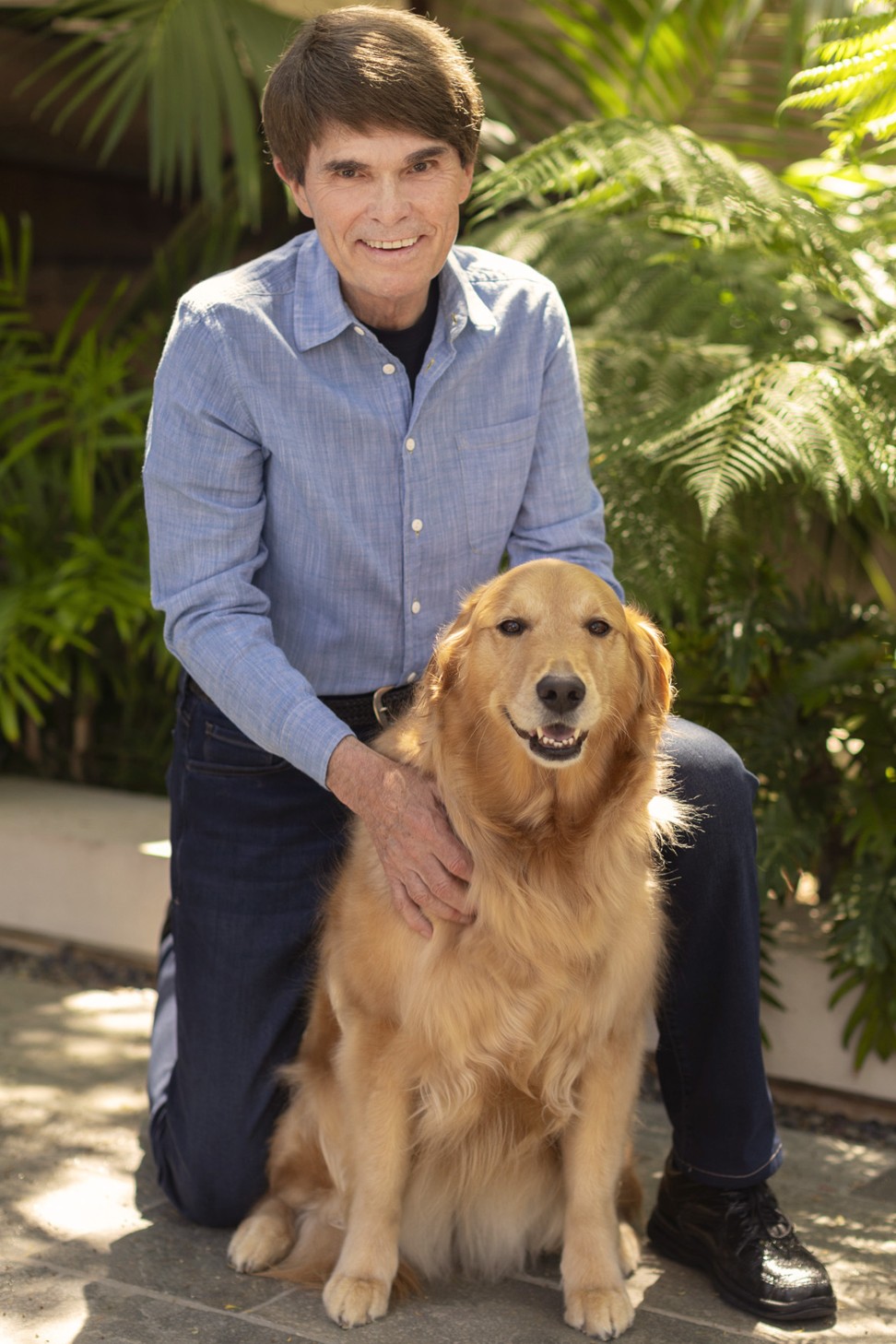
Koontz has written more than 80 novels and 74 works of short fiction. Photo: Douglas Sonders
Fringe
conspiracy theories that the coronavirus involved in the current
outbreak appears to be man-made and likely escaped from the Wuhan
virology lab have been circulated, but have been widely debunked. In
fact the lab was one of the first to sequence the coronavirus.
In
Koontz’s thriller, the virus is considered the “perfect weapon” because
it only affects humans and, since it cannot survive outside the human
body for longer than a minute, it does not demand expensive
decontamination once a population is wiped out, allowing the victors to
roll in and claim a conquered territory.
It’s no exaggeration to call Koontz a prolific writer. His first book, Star Quest,
was published in 1968 and he has been churning out suspense fiction at a
phenomenal rate since with more than 80 novels and 74 works of short
fiction under his belt. The 74-year-old, a devout Catholic, lives in
California with his wife. But what are the odds of him so closely
predicting the future?Post Magazine NewsletterGet updates direct to your inboxBy registering, you agree to our T&C and Privacy Policy
Albert
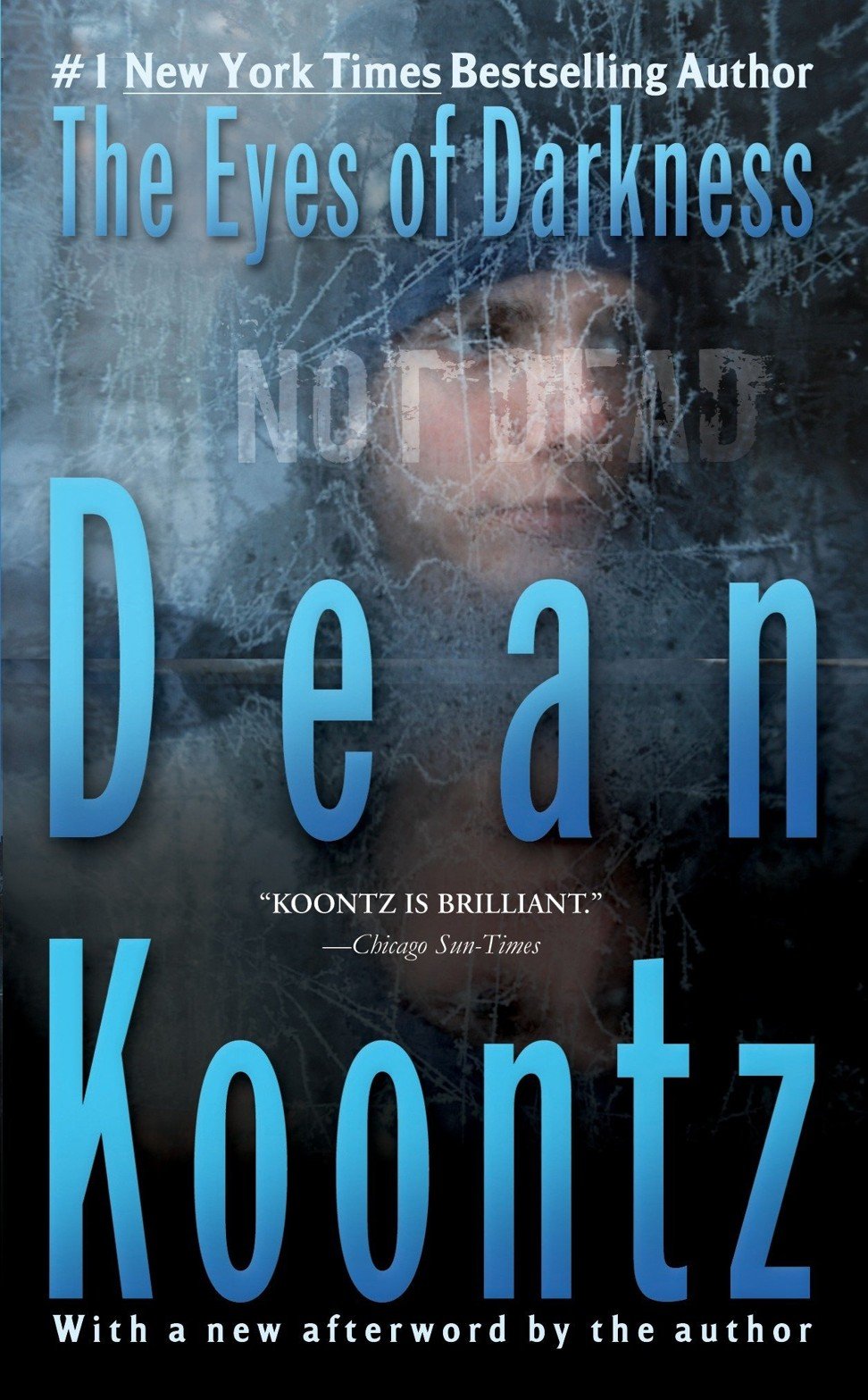
Wan, who runs the Bleak House Books store in San Po Kong, says Wuhan
has historically been the site of numerous scientific research
facilities, including ones dealing with microbiology and virology.
“Smart, savvy writers like Koontz would have known all this and used
this bit of factual information to craft a story that is both convincing
and unsettling. Hence the Wuhan-400,” says Wan.
British
writer Paul French, who specialises in books about China, says many of
the elements around viruses in China relate back to the second world
war, which may have been a factor in Koontz’s thinking.
“The
Japanese definitely did do chemical weapons research in China, which we
mostly associate with Unit 731 in Harbin and northern China. But they
also stored chemical weapons in Wuhan – which Japan admitted,” says
French.
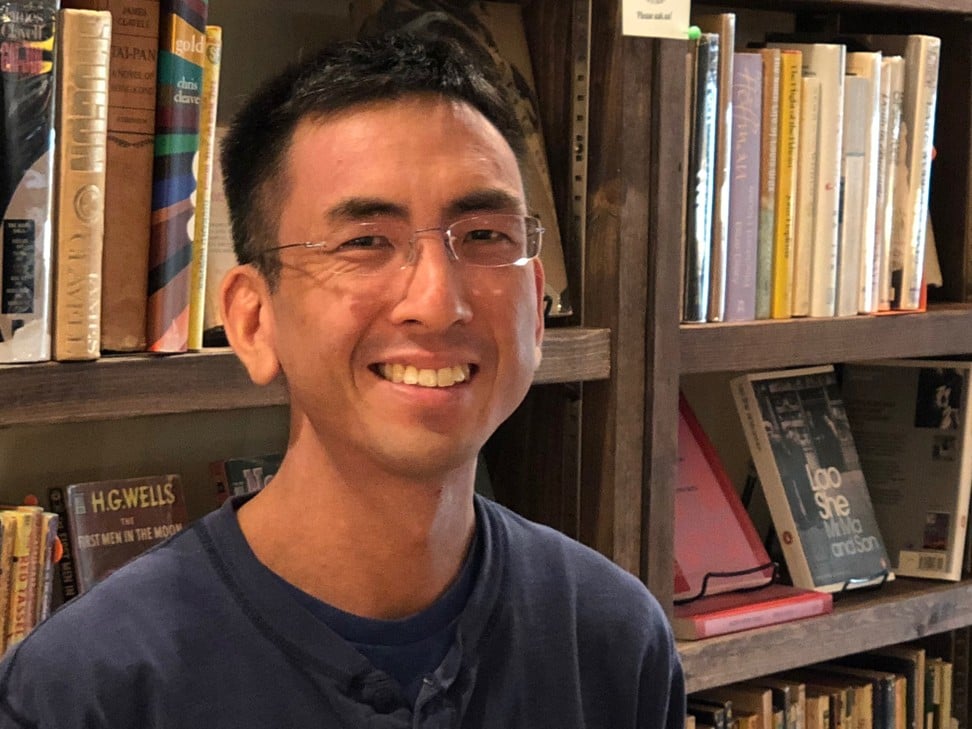
Publisher
Pete Spurrier, who runs Hong Kong publishing house Blacksmith Books,
muses that for a fiction writer mapping out a thriller about a virus
outbreak set in China, Wuhan is a good choice.
“It’s
on the Yangtze River that goes east-west; it’s on the high-speed rail
that goes north-south; it’s right at the crossroads of transport
networks in the centre of the country. Where better to start a fictional
epidemic, or indeed a real one?” says Spurrier. (Spurrier works
part-time as a subeditor for the Post.)
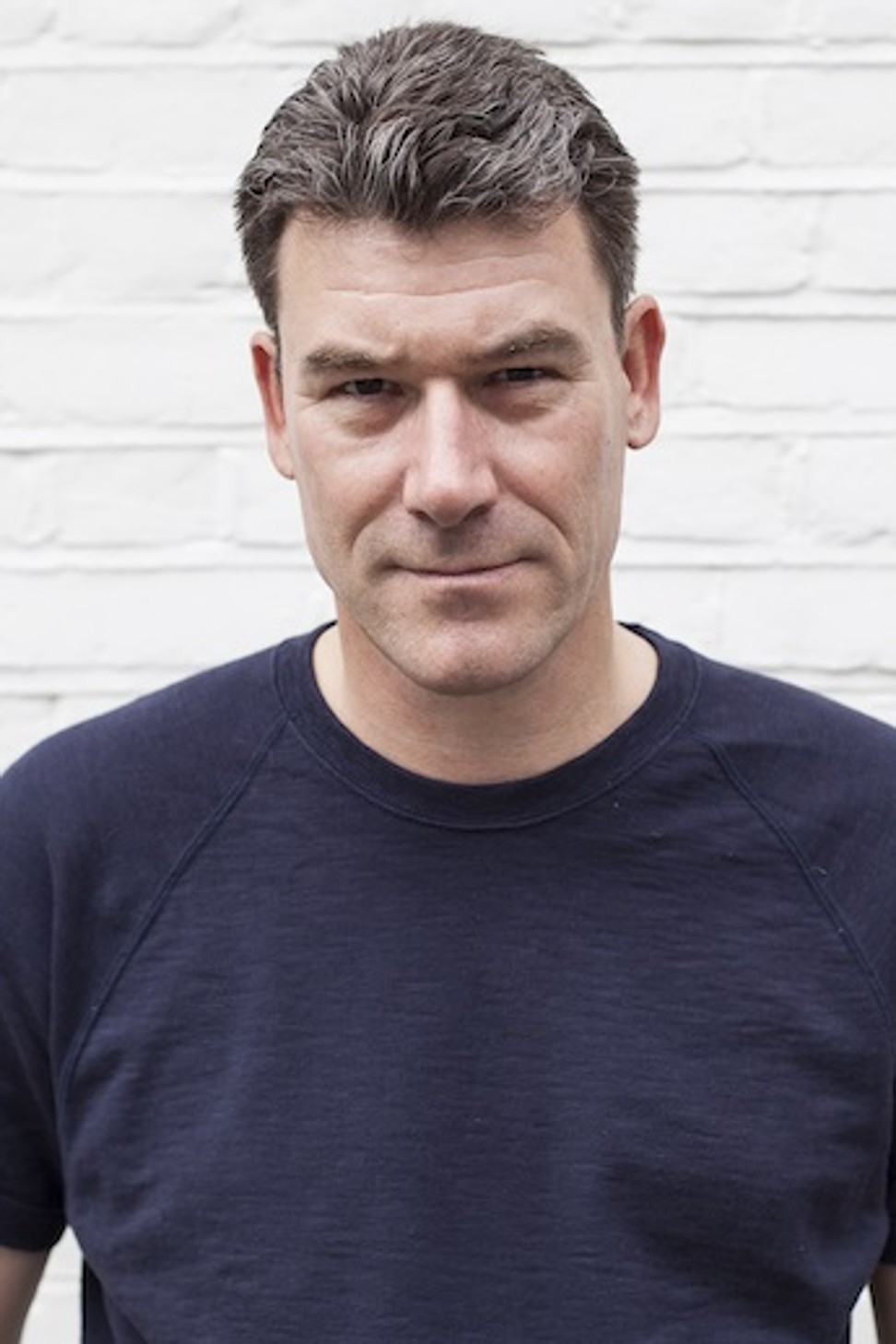
Hong Kong crime author Chan Ho-kei believes that this kind of “fiction-prophecy” is not uncommon.
“If
you look really hard, I bet you can spot prophecies for almost all
events. It makes me think about the ‘infinite monkey’ theorem,” he says,
referring to the theory that a monkey hitting keys at random on a
typewriter keyboard for an infinite amount of time will almost surely
type any given text.
“The probability is low, but not impossible.”
Chan points to the 1898 novella Futility,
which told the story of a huge ocean liner that sank in the North
Atlantic after striking an iceberg. Many uncanny similarities were noted
between the fictional ship – called Titan – and the real-life passenger
ship RMS Titanic, which sank 14 years later. Following the sinking of
the Titanic, the book was reissued with some changes, particularly in
the ship’s gross tonnage.
“Fiction
writers always try to imagine what the reality would be, so it’s very
likely to write something like a prediction. Of course, it’s bizarre
when the details collide, but I think it’s just a matter of
mathematics,” says Chan.
Many of Koontz’s books have been adapted for television or the big screen, but The Eyes of Darkness
never achieved such glory. This bizarre coincidence will thrust it into
the spotlight and may see sales of this otherwise forgotten thriller
jump.
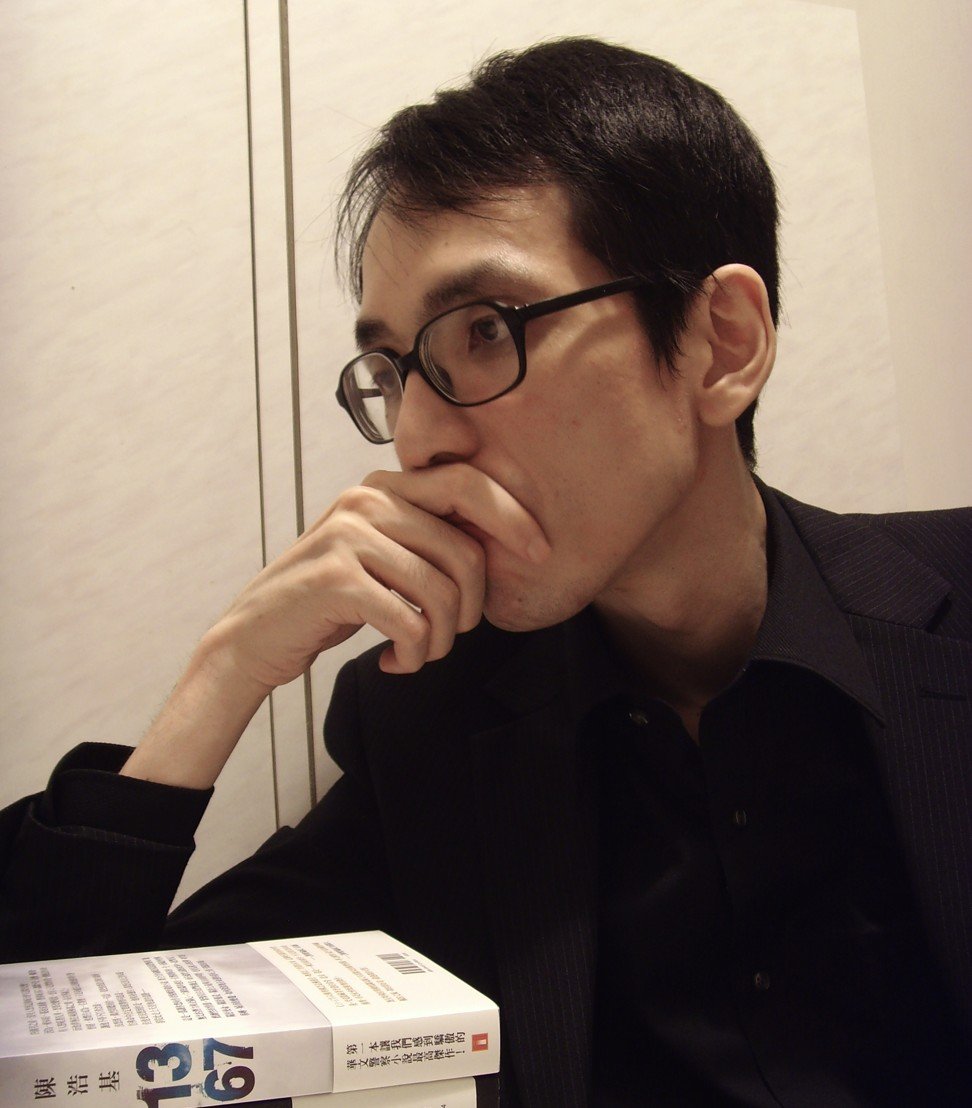
Amazon is currently offering it on Kindle for just US$1. Perhaps, like Futility, it will also be reissued with some updates to make it really echo the current outbreak.
Source Internet