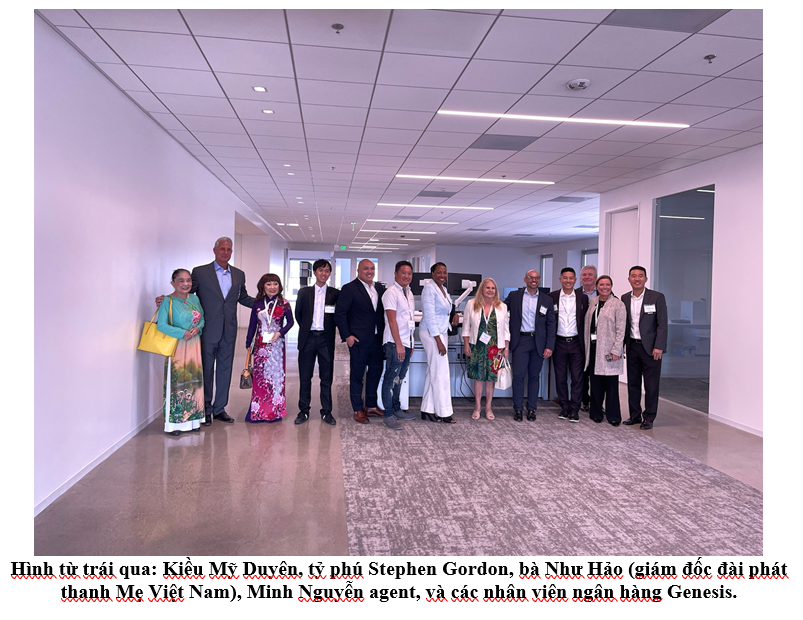
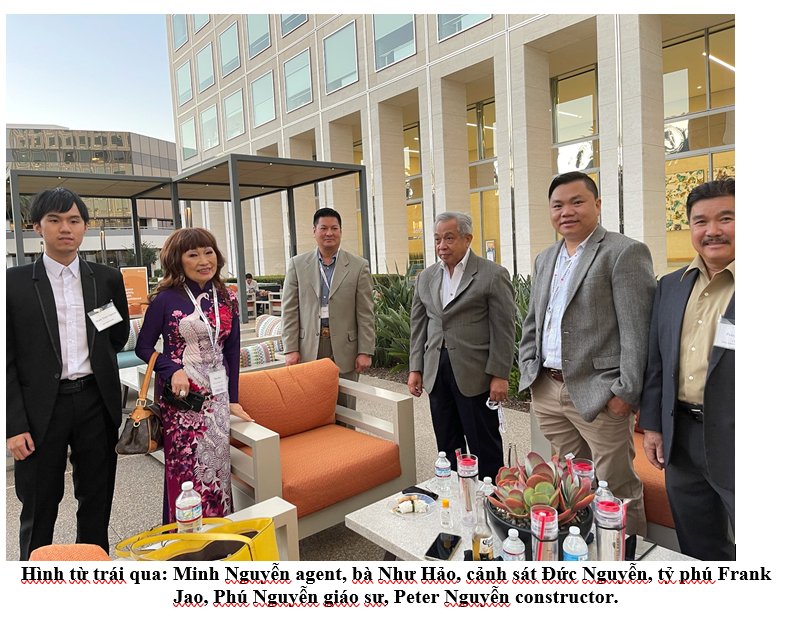
Tỷ phú, triệu phú ở Orange County nhiều lắm. Người Việt Nam tị nạn tỷ phú ở Mỹ chỉ có 9 người nhưng triệu phú thì nhiều lắm, nhiều lắm. Nơi nào có người Việt Nam tị nạn là nơi đó có triệu phú. Già cũng là triệu phú, trẻ cũng là triệu phú. Đầu tư vào địa ốc trở thành triệu phú là chuyện bình thường, từ 1 đến 5 triệu mỹ kim thì ai cũng làm được, dễ quá mà, miễn là phải chăm chỉ làm ăn, dành dụm, đầu tư sinh lợi, có ai mà không là triệu phú chứ?
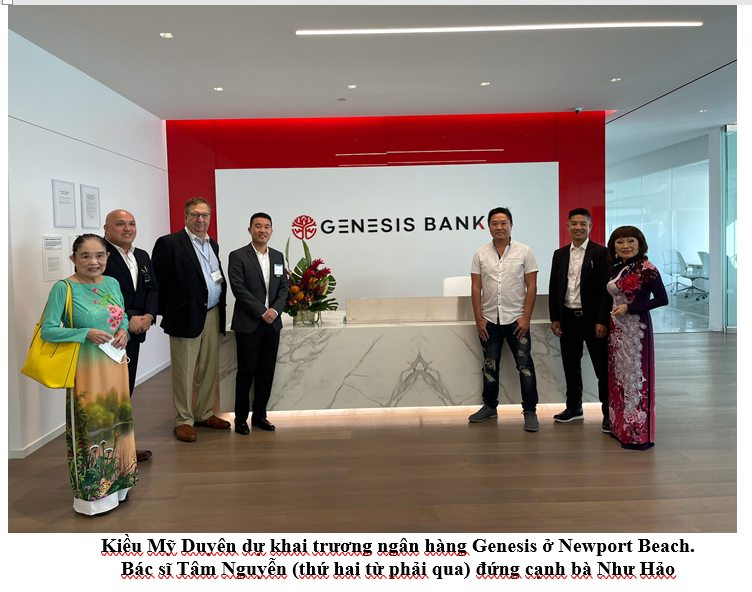
Một buổi tiếp tân của một ngân hàng vừa mới khai trương 2 tháng, chủ nhân là tỷ phú Stephen Gordon, người Do Thái, ở Newport Beach. Orange County gồm có 34 thành phố, Newport Beach là một thành phố giàu trong 6 thành phố của quận này. Buổi tiếp tân của ngân hàng Genesis, quan khách tham gia khoảng 300 người, trong đó có 10 tỷ phú: 1 tỷ phú người Mỹ gốc Việt là ông Frank Jao, còn 9 tỷ phú kia là người Mỹ đến từ Âu Châu. Tỷ phú Steve Mihaylo đã tặng cho đại học Cal State Fullerton 35 triệu để xây thêm phòng ốc cho sinh viên, và tỷ phú Frank Jao đã từng là Founder của đại học Fullgright.
Trước khi buổi tiếp tân bắt đầu, tỷ phú Stephen Gordon tiếp chúng tôi gồm có 5 người khách: 2 vợ chồng luật sư ở Los Angeles, 3 người Việt Nam là khách. Chủ Tịch cũng là giám đốc điều hành của ngân hàng Genesis cho chúng tôi biết ông sẽ mở thêm 15 chi nhánh, Newport Beach là trụ sở chính. Tỷ phú giám đốc điều hành ngân hàng là người Mỹ, gốc Do Thái đến từ Âu Châu, tiếp chúng tôi với tư cách truyền thông được mời. Với sự tham dự của 11 người trong ban điều hành rất quan trọng, những người này có 25 năm kinh nghiệm trở lên. Trong 11 người lãnh đạo nhà băng này có một ông Mỹ hãnh diện giới thiệu vợ ông là người Việt Nam, người Đà Nẵng. Ông khen vợ ông hết mình, vợ ông hiền lành, làm thẩm mỹ, nhà ở Los Angeles. Ông đang làm ở Los Angeles mà đến Newport Beach để làm việc với tỷ phú Gordon. Những người được làm việc với nhà băng mới này phải thật giỏi, đương nhiên là lương rất cao.
Đặc biệt nhà băng Genesis không cho mượn tiền mua nhà, chỉ cho mượn tiền mua chung cư từ 5 đơn vị trở lại, hoặc shopping center. Người Do Thái ở khắp nơi trên thế giới giàu nhờ đầu tư vào bất động sản, nhà băng, Hollywood, v.v.
Những người đầu não của nhà băng Genesis là bà Jamie Carter, phó giám đốc đặc trách về điều hành, ông Bob Bihr, phó giám đốc về định giá nhà, ông Christopher Ware đặc trách về hành chánh, ông Brian Fitxmaurice lo về tín chỉ, ông Andy Gallardo, luật sư, bà Lauren Dibiase, đặc trách về tìm khách hàng, Jenny Simmons, giám đốc điều hành, và Will Han, giám đốc tài chánh. Ngoài truyền thông Việt Nam, có nữ ký giả người Phi Luật Tân tên là Cora M. Oriel làm cho báo Asian Journal, v.v.
Người Do Thái đi đến đâu đầu tư về nhà đất, shopping, hột xoàn. Ở New York những tòa nhà cao nhất ở Times Square chủ nhân là người Do Thái, cửa hàng hột xoàn chủ nhân cũng là người Do Thái. Họ hướng về quê hương của họ, tuy họ ít người hơn các sắc dân khác nhưng họ có quyền lực vì họ giàu, họ không làm chính trị nhưng họ ủng hộ đồng hương của họ làm chính trị hoặc người địa phương làm chính trị. Quê hương của người Do Thái không lọt vào tay kẻ thù vì có những người Do Thái lưu vong yêu thương quê hương của họ và hết lòng giúp đỡ quê hương của mình.
Tỷ phú Stephen Gordon có rất nhiều năm kinh nghiệm trong ngành ngân hàng. Ông đã từng điều hành cho nhiều nhà băng như Opus Bank, Commercial Capital.
Tỷ phú Frank Jao nói về tỷ phú Stephen Gordon như sau:
– Ông Gordon có kế hoạch, có kinh nghiệm nhiều năm trong ngành ngân hàng. Tôi tin trong 3 năm nữa ông sẽ phát triển mạnh mẽ ngân hàng này.
Tôi cũng tin như thế vì một người có 35 năm kinh nghiệm trong nghề nghiệp, lại là tỷ phú, quyết tâm làm việc thì thế nào cũng thành công. Tiền sẵn trong tay, mướn người giỏi, trả lương cao thì thế nào cũng thành công theo ý muốn.
Người Mỹ gốc Việt tham dự buổi tiếp tân này không nhiều như ông Frank Jao, Đức Nguyễn, John Dương, Peter Nguyễn, Kiệt Nguyễn (đến từ Sacramento), Như Hảo, Minh Nguyễn, Mindy, v.v.
20 món ăn đãi khách, thức ăn Việt Nam của chủ nhà hàng là Việt Phạm, cháu nội của chủ báo Trắng Đen là ông bà Việt Định Phương. Người trẻ này rất thành công và làm việc từ thiện rất nhiều trong mùa dịch cúm này.
Người Do Thái ở khắp nơi trên thế giới, ở nơi nào họ cũng giàu, đoàn kết, yêu thương quê hương của họ. Tình báo của họ rất giỏi, tại sao người Do Thái làm ở Ngũ Giác Đài mà không có người nào chết khi bị dội bom, vì cộng đồng của họ biết trước. Cộng đồng của họ thông báo cho người Mỹ gốc Do Thái biết trước, không đi làm ngày hôm đó nên tránh thiệt mạng.
Hiện nay người Việt Nam tị nạn khắp nơi trên thế giới, nếu chúng ta yêu thương nhau, đùm bọc lẫn nhau, giúp đỡ lẫn nhau, giúp cho người trẻ vào dòng chính, hành pháp, lập pháp và tư pháp thì cộng đồng tị nạn Việt Nam rất mạnh. Người Việt Nam ở hải ngoại giúp đỡ người trong nước, người Việt Nam thương người Việt Nam như người Do Thái thương người Do Thái, thì thế nào đồng bào của chúng ta cũng sẽ có sức mạnh để đương đầu với giặc Tàu trong nước.
Người Việt Nam tị nạn đầu tư vào địa ốc nhiều lắm. Người Do Thái rất thông minh cứ 2 người thì có một người tốt nghiệp đại học 4 năm. Người Việt Nam rất chăm chỉ làm ăn, chăm chỉ học thì người Việt Nam sẽ làm nở mày nở mặt ở xứ người. Mỗi năm người Việt Nam ở hải ngoại giúp về cho bà con của mình 18 tỷ Mỹ kim, với số tiền giúp cho bà con của mình để sống, cho con cháu đi học, thế nào tuổi trẻ cũng vươn lên, thế hệ sau sẽ khá hơn thế hệ trước.
Bác sĩ Tâm Nguyễn, người Việt Nam duy nhất là Board Directr của ngân hàng Genesis.
Bác sĩ Tâm Nguyễn nói:
– Đây là ngân hàng duy nhất bỏ vốn ra 57 triệu. Tất cả nhân viên muốn làm cho ngân hàng Genesis phải có nhiều năm kinh nghiệm. Tôi rất hân hạnh được chọn vào hội đồng quản trị, là người Châu Á duy nhất. Với một ngân hàng toàn là người có kinh nghiệm, có lãnh đạo giỏi thì nhất định phải thành công. Những người có kinh nghiệm làm việc ở đây đến từ những ngân hàng khác như Bank of America, Chase, từ San Bernardino, Riverside, Los Angeles County thì nhất định phải thành công.
Sự tự tin ở người trẻ này vươn lên từ ánh mắt, từ giọng nói hùng hồn.
Mở cơ sở thương mại với số vốn quá nhiều trong lúc dịch cúm Covid Delta đang hăm dọa thật là người có can đảm, nhưng khi đã nói tỷ phú, tỷ tức là 1,000 triệu thì số vốn bỏ ra 57 triệu đâu có nghĩa gì đối với một tỷ phú?
Chúng tôi chúc ngân hàng Genesis thành công, trong nhà băng này có người trẻ Việt Nam lãnh đạo trong hội đồng quản trị.
Chúc lành, chúc lành và chúc lành.
Orange County, 12/10/2021
KIỀU MỸ DUYÊN
(kieumyduyen1@yahoo.com)
Hãy là, Đừng như ..
QUYỀN TƯ HỮU
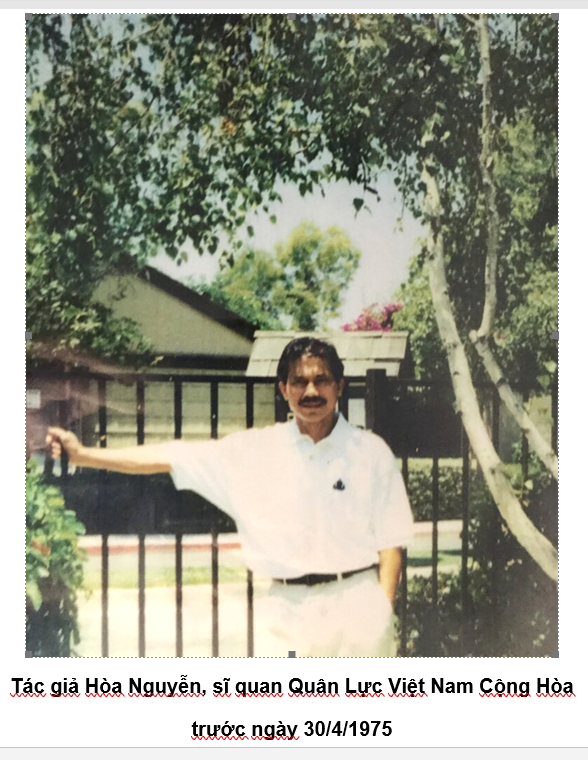
Hòa Nguyễn
(Sĩ quan Quân Lực Việt Nam Cộng Hòa trước ngày 30/4/1975)
Tôi là Hòa Nguyễn, sĩ quan Quân Lực Việt Nam Cộng Hòa trước ngày 30/4/1975.
Sau ngày 30/4/1975, theo lệnh gọi của Ban Quân Quản Sài Gòn, tôi ra trình diện đi tù cải tạo.
Những ngày đầu vào trại tù ở Long Giao, Long Khánh, người quản giáo của đội tôi là Thiếu Úy Thăng. Buổi chiều lúc đầu mới ổn định chỗ ở, trong đám tù cải tạo, anh em chúng tôi độ một tiểu đội.
Anh Thiếu Úy Thăng hỏi anh em chúng tôi:
– Các anh có biết thế nào là Xã Hội Chủ Nghĩa không?
Tất cả đều im lặng, riêng tôi tự nghĩ: chỉ biết miền Nam Việt Nam trước 30/4/1975 là Việt Nam Cộng Hòa, còn miền Bắc Việt Nam là Cộng Sản Bắc Việt.
Một lúc sau không anh em nào có ý kiến thì Thiếu Úy Thăng nói:
– Xã Hội Chủ Nghĩa là xã hội mà nơi đó nhu cầu anh cần 5 đôi giày, xã hội cho thêm đôi thứ 6 anh không lấy.
Lại một lần nữa tôi tự suy nghĩ miền Nam mình thua là đúng vì mình lấy tới đôi thứ 60.
Nhưng thực tế không phải vậy. Do đó, tôi suy nghĩ tới câu nói bất hữu của cố Tổng Thống Nguyễn Văn Thiệu: đừng nghe những gì Cộng Sản nói mà hãy nhìn những gì Cộng Sản làm.
Đến ngày tôi được ra tù, chính Thiếu Úy Thăng này lại trực tiếp nói với tôi như sau: anh Hòa, nhà cầm quyền trại đã xét cho anh về đoàn tụ với gia đình, anh coi chừng lạc hậu với xã hội chủ nghĩa mới bên ngoài. Sau khi nghe lời khuyên này và thực tế tiếp xúc với xã hội mới- Xã Hội Chủ Nghĩa thì tôi càng thấm thía câu nói của cố Tổng Thống Nguyễn Văn Thiệu đúng 100%.
Nhưng tôi suy nghĩ mặc dầu câu nói bất hủ ấy nhưng Việt Nam vẫn còn Cộng Sản.
Vị lãnh tụ của liên bang Xô Viết là ngài Gorbachev. Chính ông ta nói: chính bản thân tôi đã cống hiến hơn nửa đời người cho Đảng Cộng Sản. Bây giờ ông thấy sai nên đã giải thể chế độ Cộng Sản tại Liên Xô lúc đó ông là lãnh tụ tối cao. Một số nước theo Cộng Sản ở Đông Âu cũng noi theo Liên Xô mà giải thể chế độ Cộng Sản.
Đến hôm nay 2021, thế giới loài người vẫn còn Cộng Sản như Trung Hoa, Bắc Hàn, Việt Nam, v.v.
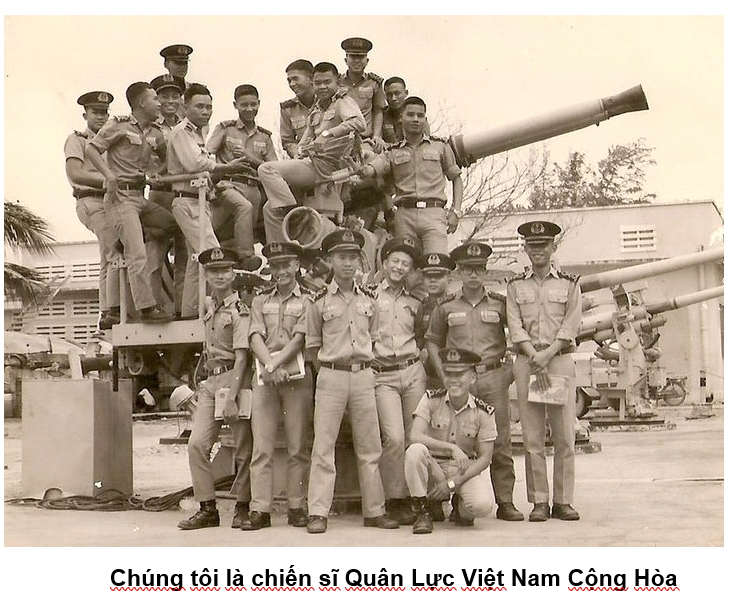
Chúng tôi là chiến sĩ Quân Lực Việt Nam Cộng Hòa
Trước 1975, tôi cùng giòng họ gia đình sống trong miền Nam Việt Nam sống dưới chế độ Tư Bản, nhưng có bao giờ nghĩ ra định nghĩa Tư Bản là gì hay thế nào là Tư Bản.
Qua thời gian ở tù dưới chế độ Cộng Sản vì tôi là sĩ quan Quân Lực Việt Nam Cộng Hòa trước 1975. Lúc được ra khỏi tù Cộng Sản, lúc về nhà tôi mới suy nghĩ và định nghĩa hai chữ Tư Bản như sau:
Tư: là Tư Hữu
Bản: là bản chất
Vậy Tư Bản là bản chất Tư Hữu, nếu chấp nhận định nghĩa này là đúng:
Đúng một cách toàn diện.
Đúng một cách triệt để và
Đúng một cách khoa học.
Thì thử hỏi có người nào sinh ra trên hành tinh này mà không có Tư Hữu. Có nghĩa không có Cộng Sản trên khắp năm châu mà loài người đang sống. Như vậy vĩnh viễn không còn đi biểu tình chống Cộng như đã làm trong quá khứ bao thế kỷ qua. Chắc quý độc giả đồng ý.
Bằng chứng không có một ai sống dưới chế độ Tư Bản mà bỏ trốn sang các nước Cộng Sản, mà chỉ có ngược lại. Dân từ các nước Cộng Sản phải đổi mạng sống để trốn sang các nước Tư Bản, như Mỹ, Úc, Nhật, Canada, v.v.
Quân Lực Việt Nam Cộng Hòa
Lúc ra khỏi nhà tù Cộng Sản mà chúng nó gọi là trại cải tạo về với gia đình ở địa phương thì bị công an khu vực theo dõi và hàng tháng phải đến công an phường trình diện. Tinh thần lúc bấy giờ hoảng sợ, vô cùng hoang mang, lại phần gia đình thuộc hộ đánh tư sản. Bất ngờ có 1 thằng què vào nhà bảo đóng cửa và công an khu vực nói hộ này bị kiểm kê tư sản. Ngay lúc đó, hộ tôi bán nước mía xay cũng là hình thức thuộc ngành nghề lao động chân tay kiếm sống. Sau khi đóng cửa, rồi họ đi kiểm tra và khám xét toàn nhà. Tôi nhớ nhà có tủ sắt, họ bảo tôi mở tủ sắt. Lúc khám tủ sắt thì có duy nhất cây kiềng chạm là kỷ niệm của 2 vợ chồng lúc đám cưới 1972 là 1 lượng vàng 24 kara, ngoài ra không tiền mặt, dollar, có giá trị ngoài vật dụng trên thì trong nhà như bàn ghế, tủ giường, chén bát. Nhưng sau đó họ không rút lui mà cho thằng què ở lại 24/24 trong nhà phía trước, mỗi lần tôi muốn đi đâu phải qua nó khám xét trong người, rồi hỏi đi đâu và khi nào về lại.
Trong lúc nhà bị như vậy, và tôi nghe là họ muốn đuổi tôi và gia đình đi kinh tế mới để họ lấy nhà tôi cho trụ sở công an phường 23, quận 3 hoặc cho ủy ban phường 23, quận 3, vì nhà tôi thuộc mặt tiền.
Khi nghe vậy tôi hoảng sợ và tìm đến nhà chị quen tên Kim. Chị Kim là 1 cô giáo từ Hà Nội vào Sài Gòn sau ngày 30/4/1975. Tôi nhờ chị Kim lo để gia đình tôi thoát khỏi diện đánh tư sản. Chị đồng ý giúp tôi.
Chị nói:
– Lúc kiểm kê đột xuất mà tìm thấy trong nhà chỉ có duy nhất 1 cây kiềng chạm mà lại là vật kỷ niệm ngày cưới của 2 vợ chồng thì không thể nói là thuộc diện tư bản mại bản.
Do đó, chị Kim nhận lời lo và nói lệ phí là 1 lượng vàng 24 kara. Tôi đồng ý.
Ngày qua ngày vì quá lo sợ nên tôi thường hối thúc chị Kim. Cuối cùng, chị nói quận 3 đã đồng ý cấp giấy giải tỏa cho hộ gia đình anh chị và đã gửi về ủy ban nhân dân phường 23, quận 3 rồi, nhưng phường muốn gia đình tôi đi kinh tế mới.
Cuối cùng, phường 23, quận 3 phải đem giấy giải tỏa là không thuộc diện tư sản xuống. Lúc bấy giờ, vợ tôi, Ngô Ngọc Liên đứng tên chủ hộ, nên trong giấy giải tỏa có ghi câu rất quan trọng như sau: Hộ Ngô Ngọc Liên không thuộc diện cải tạo tư sản lần này.
Trước hoàn cảnh đe dọa như vậy làm cho tôi có ý nghĩ đưa cả gia đình vượt biên. Cả nhà đi 2 lần gồm 2 vợ chồng và 3 con nhỏ, cháu gái nhỏ nhất chưa đầy 1 tuổi.
Lần đầu nghe bạn ra Nha Trang thì bị gạt, lần 2 đi Rạch Giá cũng bị gạt. Tiền mất tật mang nhưng may cả 2 lần, cả nhà bình an khi về lại nhà ở Sài Gòn.
Đến 1978 có chương trình cho đăng ký cho người Hoa đi bán chính thức, lúc đó tôi đến Biên Hòa đăng ký với văn phòng bà Xíu ở Biên Hòa. Vì vợ tôi có ông nội là người Hoa 100% là họ Ngô nên không thay đổi, riêng tôi phải đổi họ là Lý Gia Hòa cùng các con. Chuyến đi có xe đưa ra Vũng Tàu và lên tàu có hộ tống. Giây phút này rất vui mừng.
Tàu sơn màu đen là vỏ sắt mũi Thái Lan. Tôi nhớ lúc lên tàu hễ có chỗ lọt được 1 bàn chân là chỗ cho 1 người. Tàu nhỏ mà chở tới 300 hành khách. Lúc lên tàu, tôi không thấy gì ngoài đoàn người chen nhau và xung quanh tàu chỉ toàn là galon nước uống. Mỗi hộ gia đình chỉ phát cho 1 galon nước uống, ngoài ra không có gì khác. Lúc đó, trong đầu tôi suy nghĩ làm sao cho ông Lê Duẩn chứng kiến cảnh này, vì vào thời đó ông Lê Duẩn là Tổng Bí Thư nước Cộng Hòa Xã Hội Chủ Nghĩa Việt Nam.
Tôi muốn ông Lê Duẩn thấy người Việt miền Nam sợ Cộng Sản hơn đại dương hùng vĩ mà đi tìm tự do, sợ Cộng Sản mà 10 phần là chết hết 9, mà người Việt vẫn đánh đổi vì quá sợ Cộng Sản.
Tàu đã chết máy giữa đại dương, cuối cùng thuê 1 tàu đánh cá ở Vũng Tàu kéo vào bờ. Lúc về đến Vũng Tàu thì đường ai nấy đi. Lại thêm 1 lần tiền mất tật mang. Nghĩ lại ông bà mình đặt tên biển là đại dương đúng 1000% luôn. Nếu không may 1 chiếc tàu chở người vượt biên dù 300, 400 hay 1000 người mà có chìm cũng không nghe mùi hôi thúi.
Chỉ vì quá sợ Cộng Sản mà đánh đổi mạng sống.
Đả đảo Cộng Sản.
Đả đảo Xã Hội Chủ Nghĩa.
Việt Nam Cộng Hòa muôn năm
Tự do muôn năm.
Theo Tư Bản, theo mẫu của Hoa Kỳ là số một. Toàn thế giới nếu quốc gia nào cũng xây dựng theo mô hình USA thì không một ai phải rời bỏ Tổ Quốc thân yêu của xứ sở mình. Bằng chứng trước 1975, toàn thể viên chức hoặc sinh viên sau thời gian đi tu nghiệp hoặc được đào tạo tại các trường đại học ở USA, Canada, Pháp, Nhật, v.v. Toàn thể viên chức hoặc sinh viên sau khóa tu nghiệp hoặc đào tạo tại các đại học trên, họ đều trở về nước để phục vụ Tổ Quốc miền Nam Việt Nam trước 1975.
Nếu được vậy, thế giới sẽ sống trong hòa bình, không chiến tranh, không hận thù.
Tôi xin nhấn mạnh điều này, ngay cả những người lãnh đạo Đảng Cộng Sản Việt Nam như Thủ Tướng Nguyễn Tấn Dũng, ông ta không phải là người vô sản, vô sản đây có nghĩa là tài sản của đất nước, của nhân dân đều vào nhà Nguyễn Tấn Dũng. Tài sản của ông ta lên đến hàng tỷ dollars, và chính gia đình ông ta cũng sang định cư tại Hoa Kỳ. Tại sao?
Đảng Cộng Sản Việt Nam đã hy sinh hơn 2 triệu người dân Việt Nam để thành lập chế độ Cộng Sản, nhưng cuối cùng họ lại dùng Chủ Nghĩa Tư Bản để làm giàu. Vậy 2 triệu người dân chết để làm gì? (Dennic Draged)
Chủ nghĩa Tư Bản không hoàn hảo, nhưng nó là hệ thống tuyệt vời nhất trong lịch sử nhân loại, đây là suy nghĩ của Milton Friedman.
Chủ nghĩa Cộng Sản và chủ nghĩa xã hội đã giết nhiều người hơn tất cả những cuộc chiến tranh trong thế kỷ 20 cộng lại. (Khuyết danh)
Chủ nghĩa Tư Bản không thể tồn tại nếu không có tự do. Trong khi đó, chủ nghĩa xã hội không thể nào tồn tại nếu cho phép tự do. (Milton Friedman)
Vũ khí đã giết nhiều người nhất trong lịch sử nhân loại là chủ nghĩa Cộng Sản và chủ nghĩa xã hội. (Khuyết danh)
Hãy nhìn bao nhiêu người từ xứ Cộng Sản bất chấp cái chết để vượt biên qua xứ Tư Bản. Nhiêu đó đủ cho chúng ta thấy nhân loại đã sáng suốt bình chọn ra sao? (Milton Friedman)
Chủ nghĩa xã hội có thể thành công ở hai nơi: thiên đường, nơi mà không cần nó và địa ngục, nơi mà đã có nó. (Ronald Reagan, Tổng Thống USA)
Kính thưa các chính trị gia trong các nước Tư Bản trên toàn thế giới, thưa tất cả giới trẻ đang sinh sống trong xã hội Tư Bản, các bạn đừng bao giờ có ý nghĩ về việc xây dựng hay sống để nếm mùi của xã hội Cộng Sản hay Xã Hội Chủ Nghĩa. Nơi đó, người dân xa thành thị không có một giếng nước sạch để uống, trẻ em không có cầu để qua sông đi đến trường học mà chính các cháu phải ngồi trong bao nylon để phụ huynh dẫn qua sông mỗi khi các cháu đến trường. Trong khi đó, giới cầm quyền Cộng Sản thì ngồi chễm chệ trên một chiếc ghế bằng vàng 24 kara trị giá cả triệu dollars.
Với hiện tình nóng ở Hồng Kông, không biết Tập Cận Bình có biến Hồng Kông thành Thiên An Môn thứ hai không?
Tôi là Hòa Nguyễn viết bài này, tôi sanh năm 1948, năm nay tôi 73 tuổi. Tôi có ý nghĩ về định nghĩa thế nào là Tư Bản từ năm 1978, lúc đó tôi được ra khỏi nhà tù Cộng Sản Việt Nam.
Tôi viết bài này từ cảm xúc của tôi về người hùng, cố Đại Úy sĩ quan Quân Lực Việt Nam Cộng Hòa đã qua đời, người hùng Lý Tống.
Đại Úy sĩ quan Quân Lực Việt Nam Cộng Hòa – Lý Tống
Tôi và gia đình đến Hoa Kỳ năm 1990 và cùng định cư tại thành phố Westminster, bang California từ đó đến nay.
Đã sinh ra và làm người thì không một ai lại không có Tư Hữu. Tư Hữu đã có trong máu từ khi một trẻ sơ sinh chào đời. Một đứa trẻ lúc còn bú sữa mẹ, miệng đang ngậm vú bên phải của mẹ, thì tay kia giữ vú còn lại của mẹ và nếu có ai dành sẽ không được. Điều đó nói rõ Bản Chất Tư Hữu của nó.
Nếu hiểu và xác định dứt khoát là thế thì xã hội loài người đang hiện sống trên trái đất duy nhất này tuyệt đối không có Cộng Sản hay Xã Hội Chủ Nghĩa. Vì chính ngay trong hàng ngũ lãnh đạo tối cao đầy quyền lực của Đảng Cộng Sản Việt Nam nói riêng, họ là những người được gọi là Tư Sản Đỏ, tài sản của họ lên hàng tỷ dollars. Nếu không là Tư Bản Đỏ thì tại sao cựu Tổng Bí Thư Đảng Cộng Sản Việt Nam là ông Nông Đức Mạnh là con rơi của Hồ Chí Minh ngồi trên hai chiếc ghế bằng vàng 24 kara có trị giá một triệu dollars cho một chiếc, đó là chưa kể bất động sản hay những tài sản khác. Hay Tổng Bí Thư kiêm Chủ Tịch nước Nguyễn Phú Trọng được công ty Formasa tặng cho ông Trọng một tượng Hồ Chí Minh bằng vàng 24 kara.
Ngoài ra vị tướng Lê Đức Anh vừa qua đời, tài sản vị tướng này vô số kể. Tất cả những gì tôi chỉ nhắc lại chứ qua dư luận và truyền thông, 90 triệu dân Việt Nam từ trong nước ra hải ngoại, ai mà không biết.
Nhân đây, tôi muốn nói thêm về hai từ “CHÍNH TRỊ”.
Theo cá nhân tôi, cũng là một định nghĩa theo lương tâm của con người sinh ra, lớn lên và được sống trong xã hội Tư Bản, CHÍNH TRỊ là người lãnh đạo cai trị dân bằng con đường chính Đảng, có nghĩa là giới lãnh đạo đất nước phải nghĩ ra cách làm cho dân giàu nước mạnh trong tình lý có đạo đức con người, chứ không độc tài như dưới chế độ Cộng Sản hay xã hội chủ nghĩa.
Vì như ông Milton Friedman nói:
– Xã hội chủ nghĩa không thể nào tồn tại nếu cho phép tự do, có nghĩa dưới chế độ Cộng Sản hay xã hội chủ nghĩa chỉ có độc tài đảng trị. Thêm vào đó, hàng ngũ công an, băng đảng và đám xã hội đen ngày đêm khủng bố và đàn áp dân lành. Điều này xảy ra hàng ngày tại xã hội nước cộng hòa xã hội Việt Nam.
Cựu Tổng Thống Hoa Kỳ, Tổng Thống Ronald W. Reagan nói:
– Làm thế nào để biết người đó là một người Cộng Sản? Đó là những người đọc Marx và Lenin. Và làm thế nào để bạn biết người đó là người chống Cộng Sản? Đó là những người hiểu Marx và Lenin.
Ông Frank Zappa nói:
– Chủ nghĩa Cộng Sản không thành công được, vì mọi người ai cũng muốn có quyền Tư Hữu.
Để kết luận bài viết này, trong quá khứ có nhiều câu nói để đời mà tôi đã ghi lại, tuy nhiên cho đến hôm nay 2021, thế giới này vẫn còn sự hiện diện và tồn tại của chế độ Cộng Sản hay xã hội chủ nghĩa. Nếu không còn Cộng Sản và xã hội chủ nghĩa thì lúc đó mọi dân tộc được sống trong hòa bình, không còn chiến tranh, sống thịnh vượng trên chính Tổ Quốc quê cha, đất mẹ của mình.
Phải công bằng mà nói là trên thế gian này không một ai có tinh thần chống Cộng Sản hơn người hùng Lý Tống, cố sĩ quan Quân Lực Việt Nam Cộng Hòa đã vĩnh viễn ra đi năm 2019. Thân xác anh đang từng ngày thiêu hủy thành cát bụi, thế nhưng chủ nghĩa Cộng Sản vẫn còn hiện hữu.
Đó là lý do tại sao hôm nay tôi muốn gửi lời nhắn này đến với giới lãnh đạo trong xã hội tư bản nhất là với cựu Tổng Thống Trump của Hoa Kỳ, cùng toàn thể đồng bào trên thế giới, kính gửi đến đồng hương trong nước cũng như hải ngoại.
Chúng ta phải khẳng định và công nhận bản chất trong mỗi con người chúng ta trên toàn trái đất này là có Tư Hữu. Đời xưa ông bà ta nói:
Anh em là ruột, là rà
Anh em có cửa có nhà anh em.
Ngụ ý cũng nói lên Quyền Tư Hữu. Như vậy, tuyệt đối không có con người Cộng Sản, không có chế độ Cộng Sản hay xã hội chủ nghĩa trên trái đất mà nhân loại đang sống.
Trân trọng kính chào.
Westminster, 10/ 2021
HÒA NGUYỄN
Sĩ quan Quân Lực Việt Nam Cộng Hòa
Bộ Tổng Tham Mưu Sài Gòn
Trước ngày 30/04/1975
CÔNG ƠN CHA MẸ
Người ta đứng ở trên đời,
Ai không cha mẹ dễ trời sinh chăng ?
Công cha mẹ sánh bằng sơn hải, (1)
Đạo làm con ta phải báo ơn.
Ngồi mà nghĩ lại nguồn cơn,
Công Cha như núi Thái Sơn (2) chưa tầy.
Ôi từ mẫu (3) dài thay nghĩa Mẹ !
Nước đầy nguồn khôn lẽ nào đong.
Công Cha, nghĩa Mẹ mênh mông,
10- Để dạ từng phút, ghi lòng từng giây.
Ngày lên MỘT chân tay mềm mại,
Tuổi lên HAI ai phải giắt đi ?
aaaaLên BA thơ dại biết gì,
Ai cho học nói, ai thì dạy ăn ?
Ngày lên BỐN áo quần mặc ấm,
Hỏi ai người mua sắm cho con ?
Lên NĂM tuổi khá lớn khôn,
Con đau ai phải bồn chồn lo toan ?
Ngày lên SÁU họp đoàn bạn nhỏ,
20- Ai dạy câu nhớ Tổ Hùng Vương ?
Tuổi vừa lên BẢY đến trường,
Bút ai vẫn sắm, giấy thường ai mua ?
Ngày lên TÁM thi đua sớm tối,
Ai mong con học giỏi Thầy vui ?
Đến năm lên CHÍN, lên MƯỜI,
Ai mong con được sáng ngời tương lai ?
Ngày MƯỜI MỘT, MƯỜI HAI tươi thắm,
Tuổi thanh xuân như gấm thêu hoa,
Đến năm tuổi đã MƯỜI BA,
30- Văn chương, Sử địa,(4a) Kỷ hà (4b) nhập tâm. (4c)
Tuổi MƯỜI BỐN, MƯỜI LĂM đã tới,
Thời gian đi chẳng đợi ai đâu !
Xưa nay trong cõi hoàn cầu,
Nếu không Cha Mẹ, ai sau nên người ??
Tuổi MƯỜI SÁU tốt tươi dáng vóc,
Ai ngày đêm săn sóc cho con ?
Đến năm MƯỜI BẢY tuổi tròn,
Ai khuyên con luyện tâm hồn thẳng ngay ?
Tuổi MƯỜI TÁM tràn đầy nhựa sống,
40- Đem sức dài vai rộng đua chen.
Trả xong món nợ sách đèn, (5)
Nghìn sau bia đá (6) còn tên rành rành.
Khi con đã trưởng thành khôn lớn,
Tuổi vào đời mơn mởn như hoa.
Anh trên em dưới thuận hòa,
Gả chồng dựng vợ ấy là hợp luân (7)
Rồi con cháu dần dần đông đúc,
Thuận lẽ trời kế tục (8) ông cha.
Măng non thay thế tre già, (9)
50- Nuôi con mới hiểu lòng Cha Mẹ mình.
Lời Cha Mẹ đinh ninh (10) trong dạ,
Chữ hiếu thân (11) chớ khá lãng quên.
Nếp nhà phải giữ lấy nền,
Để cho giòng họ vang rền tiếng khen.
Phải nghĩ đến ơn đền nghĩa trả,
Giọt máu đào nước lã một ao. (12)
Công Cha núi Thái ngút cao,
Thẳm sâu nghĩa Mẹ khác nào biển Đông.
Ăn trái chín, kẻ trồng phải nhớ, (13)
60- Uống nước trong ai nỡ quên sông. (14)
Người mà bỏ chữ gia phong (15)
Là không nhớ gốc Cha, Ông trong đời.
Ghi lòng tạc dạ con ơi !!
64-Đừng nên tiếng xấu để đời người khinh.
TRƯỜNG GIANG
GHI CHÚ : Chỉ dành cho giới trẻ VIỆT NAM sinh tại ngoại quốc
1-SƠN HẢI: SƠN= trái núi, Hải=biển nước. Ý nói : Công ơn Cha Mẹ sinh đẻ ra con cao như núi, rộng như biển, khó lấy vật gì khác dể so sánh được .
2- THÁI SON: Tên một trái núi rất cao và to lớn ở phía Tây nước Tàu.
3- TỪ MẪU:.Từ = hiền lành , mẫu = người mẹ. TỪ MẪU = Người mẹ hiền lành, phúc hậu, không làm việc gì độc ác có hại đến người ở xung quanh.
4a-SỬ ĐỊA ; Một cuốn sách ghi chép mọi việc quan trọng ở trong và ngoài nước Việt Nam
4b-KỶ HÀ: Môn toán đo lường trong toán học .
4c- NHẬP TÂM: Ghi nhớ trong lòng (trái tim)
5- TRẢ XONG MÓN NỢ SÁCH ĐÈN: Cuốn sách và ánh sáng của cây đèn là do cha me và các thầy cô cung cấp cho học trò sinh sống, học tập. Sau khi tốt nghiệp, các Tân khoa phải tận lực dùng sự hiểu biết của mình dể truyền dạy lại cho các thế hệ tuong lai. Đó là cách người học trò trả lại món nợ trong suốt thời gian học tập dể họ báo dáp công ơn::
A-Dưỡng dục của các đấng sinh thành
B- của các thầy cô đã tận tụy giảng huấn cho học sinh trở nên người trí thức..
Điều quan trọng là các tân khoa đã góp công vào việc làm cho dất nước văn minh giàu mạnh, không thua kém bất cứ mot Quóc gia nào trên thê giới.
6-BIA ĐÁ:Một tảng đá do thợ chuyên môn đẽo gọt thành một hình chữ nhật trong đó ghi tên vinh danh các Cử Nhân, Tiến sỹ thời xưa, đồng thời khuyến khích các thế hệ tương lai noi gương những người đi trước dể cố gắng học hành.
7- HỢP LUÂN: Việt Nam tuy đã văn minh, tân tiến,vẫn theo luân thường, dạo lý do Thánh Tổ Khổng Tử người nước Lỗ bên Tàu sáng lập gọi là Đạo Nho..
Luân lý của Đạo Nho là:
Anh em nhu thể chân tay”
“Vợ chồng như đũa có đôi”
Trong gia đình, trai gái khi dã dến tuổi trưởng thành (18 tuổi) thì phải dưng vợ, gả chồng để nhân số trong giòng họ ngày một tăng thêm. Đó là nguyên tắc hợp luân, xưa nay tại VIỆT NAM chưa có gì thay dổi.
8– KẾ TỤC: Kế tiếp, người đi trước, kẻ theo sau, tại Việt Nam chưa bao giờ thay dổi
9- THAY THẾ TRE GIÀ:Luật sinh tồn xưa nay, khi cây tre đã già, khô héo thì phải chết, nhường chỗ cho mầm măng non thay thế. Người ta cũng vậy, khi còn trẻ tuổi, có dùng sức khỏe đẻ nuôi nấng, chăm sóc cha mẹ thì mới biết đến công ơn khi mình còn trẻ, cha mẹ đã chăm lo, săn sóc dến mình như thế nào.
Có nuôi con mới biết long cha mẹ là như vậy đó….
10- ĐINH NINH:Luôn luôn ghi nhớ trong lòng, không bao giờ thay đởi
11- HIẾU THÂN:.Người con trai biết vâng lời cha mẹ.
12:NƯỚC LÃ MỘT AO Phương ngôn tục ngữ Việt Nam có câu : “ Một giọt máu đào, hơn ao nước lã”. Nghĩa là, Anh em cùng mốt cha mẹ sinh ra bao giờ cũng quý yêu nhau. Chính vì thế, người Việt thường nói” không ai có thể lấy một ao nước lã để làm thành một giọt máu được.
13- KẺ TRỒNG PHẢI NHỚ: Tục ngữ Việt Nam có câu “Ăn quả nhớ kẻ trồng cây”. Được ăn trái cây ngon ngọt, phải nhớ ơn người trồng ra cây đó. Ý nói, con dược nên người có tài, có đức dộ hon người, không làm diều gì có hại đền ngườii xung quanh là nhớ có cha mẹ tận tình giáo huấn, Vậy bổn phận của con là phải có bổn phận báo ơn sự giáo huấn của cha mẹ mình.
14- AI NỠ QUÊN SÔNG”TỤC NGỮ ViỆT NAM cũng có câu” Uống nước nhớ nguồn.. Khi được uống nước trong cho khỏi khát thì phải nhớ đến dòng sông chứa đựng nước đó.
Trong gia dình, nếu con cái mọi người đều làm điều tốt lành là nhò có ông bà,cha mẹ phúc đức, chí làm việc tốt lành dối với mọi người xung quanh dể làm gương.Bởi vậy, con cháu phải nhớ ơn ông bà, cha mẹ về phương diện này.
15- GIA PHONG:Lề thói, khuôn phép của mỗi gia đình, con cháu phải tuân theo./.
Chăm sóc sức khỏe của Bạn vào “Mùa Thu Yêu Thương!”
(LVHải lượm lặt)
Lời Hỏi Thăm Sức Khỏe.
Kính Quý Niên Trưởng, Quý Anh Chị trong Văn Thơ Lạc Việt.
Thời gian qua, Hải bận rộn với đám cưới đứa con gái, cha ông mình nói đúng “ma chê, cưới trách!” Có cố gắng nhiều, nhưng vẫn còn nhiều lỗi lầm, đáng trách. Mong Quý Vị bỏ qua cho những thiếu sót,… chắc chắn có! (Nếu Hải có 10 đứa con gái, gả chồng đến đứa thứ mười, lúc đó, việc tổ chức mới hoàn hảo hơn!) Còn có một đứa, thì đành chịu! “hổng” có kinh nghiệm!
Đến khi nhớ phải gởi lời cám ơn và hỏi thăm sức khỏe đến Quý Anh Chị, thì trời đã…vào Thu!
Mùa Thu là mùa đặc biệt dành cho những văn nhân, thi sĩ, riêng của Văn Thơ Lạc Việt.
Nhớ những ngày đầu tiên đến Mỹ, định cư ở tiểu bang Michigan, có lẽ lần đầu tiên trong đời, sững sờ với cảnh đẹp mùa Thu ở Ngũ Đại Hồ. Muôn mầu muôn sắc, là vàng ngập đường đi, có những con đường mòn, khi xe chạy qua, lá vàng từng đám bay cao, không còn nhìn thấy xe đàng trước, đàng sau, mở cửa sổ xe, giơ tay, cũng chộp được một nắm!
Cảnh mùa Thu trên đất nước Hoa Kỳ này thật đẹp như tranh! quá tuyệt vời. Nhưng người đẹp tên Thu này cũng kèm theo nhiều …rắc rối lắm đó Quý Vị ơi!
Kể từ mùa Thu năm đó, không có năm nào không bị Cúm mùa Thu vật! kể cả những năm sau này, cho dù đã chích ngừa!
Nên nhân đây, xin gởi một bài lượm lặt về sức khỏe, để Quý Anh Chị chú ý, khi chúng ta bắt đầu tiếp xúc với…Em Thu nhé! Em khó tính lắm đó. Hoa càng đẹp càng độc, Mùa càng đẹp càng…dễ Bịnh! (Hu! Hu!)
Chăm sóc sức khỏe của Bạn vào “Mùa Thu Yêu Thương!”
(LVHải lượm lặt)
*5 bệnh cần phòng tránh nhất trong mùa thu
Ai cũng nghĩ mùa thu là mùa mát mẻ nhưng thực tế, đây lại là mùa mà bạn dễ mắc nhiều bệnh nhất, như hen suyễn, dị ứng, đau họng, suy tim, viêm loét dạ dàỵ và chục thứ bệnh liên quan đến mùa này.
Mùa thu được coi là thời điểm thời tiết có nhiều thay đổi, thậm chí là thời điểm nối kết giữa mùa hè và mùa đông. Chính vì vậy, vào thu, nhiệt độ ngày và đêm có thể thất thường, biến đổi nhiệt độ lớn. Đây cũng chính là nguyên nhân khiến bạn có thể mắc nhiều bệnh, nếu không biết cách chăm sóc tốt cho sức khỏẹ, nhiều người có tuổi hay qua đời nhất, trong mùa này.
Vậy, những bệnh cụ thể bạn có nguy cơ mắc nhiều hơn cả trong mùa thu là những bệnh gì?
1. Đau họng
Vào mùa thu, hệ thống miễn dịch của cơ thể thường bị suy giảm hơn so với các mùa khác, vì vậy bạn rất dễ bị cảm lạnh. Hơn nữa, vào mùa thu, sự thay đổi nhiệt độ, không khí lúc ẩm, lúc hanh khô, kết hợp với gió mạnh, có thể khiến cho các loại virus (vi khuẩn) gây bệnh sinh xôi, nẩy nở mạnh. Chỉ cần một chút lơ là trong việc chăm sóc sức khỏe, là sức đề kháng của bạn đã có thể giảm xuống, khiến cho khả năng mắc các bệnh viêm nhiễm, đặc biệt là viêm miệng, đau họng. Các triệu chứng khi bị đau họng có thể bao gồm: Sưng họng, ớn lạnh, sốt, đau đầu, buồn nôn và hay thỉnh thoảng bị nôn mửa. Họng tấy đỏ và amiđan sưng, đôi khi có hạch rất nguy hiểm.
Để đề phòng bệnh phát triển, bạn nên tham khảo tư vấn của bác sĩ để có thuốc ngừa và biện pháp phòng bệnh tốt nhất.
2. Hen suyễn dị ứng
Giống như mùa xuân, mùa thu là thời điểm mà con người dễ bị dị ứng hơn hẳn mùa hè và mùa đông. Với nguy cơ mắc bệnh dị ứng cao, bạn cũng rất dễ mắc bệnh hen suyễn dị ứng trong mùa nàỵ
Hen suyễn dị ứng, thường là do cơ thể phản ứng với thứ gây dị ứng như phấn hoa, lông thú vật, nấm mốc, vật dụng bụi bặm gây ra. Triệu chứng thường gặp nhất của hen suyễn dị ứng thường là khó thở, đôi khi nghẹt thở!
Nếu bạn là người dễ bị dị ứng với phấn hoa, thì hãy lập kế hoạch các hoạt động ngoài trời khôn ngoan để tránh phấn hoa và cây cỏ, đây là nguyên nhân dị ứng phổ biến nhất. Phấn hoa xuất hiện nhiều trong những ngày khô và gió, giảm nhanh vào những ngày ít gió, mưa hoặc ẩm ướt. Nếu bạn thường bị dị ứng với nấm mốc, bụi bặm hay chất gây dị ứng trong nhà, thì bạn cần giữ cho nhà cửa sạch sẽ, giữ độ ẩm trong nhà ở mức thích hợp, để hạn chế nấm mốc và các yếu tố khác có thể gây dị ứng phát triển.
Dùng thuốc ngừa dị ứng cũng là cách để phòng bệnh, tuy nhiên, khi dùng thuốc, một vài loại, bạn nên tham khảo tư vấn của bác sĩ.
3. Loét dạ dày.
Loét dạ dày là bệnh mà bạn có thể gặp tại bất kì thời điểm nào trong năm. Tuy nhiên, vào mùa thu, khi hệ thống miễn dịch của bạn giảm, thì cơ thể bạn cũng khó chống tác ảnh hưởng của các vi khuẩn gây bệnh, do đó, hệ tiêu hóa của bạn càng bị ảnh hưởng nặng nề, nguy cơ loét dạ dày càng tăng.
Bệnh loét dạ dày, thường xuất phát từ nguyên nhân cơ bản như: hút thuốc lá, uống nhiều rượu, căng thẳng, thói quen ăn uống nghèo dinh dưỡng, mắc các bệnh mãn tính, di truyền, Các triệu chứng phổ biến nhất khi bị loét dạ dày là mất cảm giác ngon miệng, đau bụng và nôn mửạ. Đặc biệt, các cơn đau do loét dạ dày thường xuất hiện ngay sau bữa ăn. Có người xuất hiện sau khi ăn vài tiếng.
Dù cho có bị đau lúc nào đi nữa, thì bạn vẫn nên đi gặp bác sĩ, để biết chính xác nguyên nhân tại saọ
4. Suy tim, trụy tim.
Vào mùa thu, những người có vấn đề về tim mạch, sẽ càng tăng nguy cơ bị bệnh tim. Đó là bởi vì, khi thay đổi thời tiết đột ngột, cơ thể phải đấu tranh để thích ứng với sự biến đổi khí hậu, từ đó có thể làm quá tải hệ thống tim mạch chịu đựng, gây hậu quả nghiêm trọng cho tim mạch, ví dụ như suy tim.
Để phòng ngừa bệnh tim mạch, bạn nên chú ý đến chế độ dinh dưỡng nhiều rau xanh, hoa quả và cá, hạn chế chất béo có hại, không hút thuốc và chăm chỉ thể dục để điều hòa hệ tim mạch.
Nếu bạn có vấn đề về tim mạch, hay huyết áp bạn cần chú ý theo dõi và điều chỉnh hoạt động của tim và mạch, huyết áp, để ngăn chặn các cơn phát bệnh, không nên để đến khi bị bệnh trầm trọng mới điều trị. Bịnh tin còn được gọi là “ những tên sát thủ thầm lặng!”
5. Bệnh đau mắt đỏ
Bệnh đau mắt đỏ hay còn gọi là bệnh viêm màng mắt. Bệnh thường gặp vào mùa hè đến cuối mùa thu. Vào thời điểm này, thời tiết từ nắng nóng chuyển sang mưa, độ ẩm không khí cao, khi giao mùa, nên khiến cho hệ thống miễn dịch và sức đề kháng bị suy yếu đi nhiều, cơ thể mất khả năng phòng bệnh, nên dễ bị vi khuẩn gây bệnh tấn công.
Bên cạnh đó, môi trường nhiều khói bụi, vệ sinh kém, sử dụng nước ô nhiễm, dùng chung khăn mặt, ka8n lau, cũng là điều kiện thuận lợi cho bệnh bùng phát.
Bệnh đau mắt đỏ thường có biểu hiện rõ nhất là mắt đỏ và có “dỉ mắt.” Dỉ mắt có thể màu xanh hoặc màu vàng tùy vào tác nhân gây bệnh. Mi mắt sưng húp, mọng, mắt đỏ (do cương tụ mạch máu), đau nhức, chảy nước mắt.
Để chữa bệnh đau mắt đỏ hiệu quả nhất, phải phụ thuộc vào nguyên nhân gây bệnh. Vì vậy, nếu không may bị bệnh, tốt nhất bạn nên đi khám bác sĩ. Để phòng bệnh, bạn cần chú ý vệ sinh nhà cửa sạch sẽ, khi ra ngoài phải có biện pháp bảo vệ mắt (đeo kiếng) và tránh tiếp xúc với người bị bệnh.
Mùa thu, thời tiết dễ chịu khiến bạn cảm thấy ngon miệng hơn, từ bữa ăn đến giấc ngủ. Điều này gây “nguy hiểm” cho vóc dáng thon thả của bạn.
Dưới đây là 6 cách giúp bạn duy trì vóc dáng trong mùa thu nàỵ
1. Tận dụng lợi thế của thời tiết
Mùa thu với tiết trời dễ chịu, là khoảng thời gian tuyệt vời và thích hợp để bạn tập thể dục ngoài trời và tận hưởng không khí thoáng mát. Đi bộ, đạp xe, là những môn thể thao thích hợp trong mùa nàỵ
Nhiều lớp học tại phòng tập thể dục và các nơi khác bắt đầu vào mùa thu, do đó, bạn cũng nên chọn và tham gia một lớp học nào đó thích hợp với mình.
2. Xem tivi, kết hợp hoạt động
Trong khi bạn xem tivi, bạn vẫn có thể đi bộ hoặc chạy tại chỗ, đứng lên hoặc ngồi xuống. Trong một chương trình dài, bạn nên dành ra khoảng 20 phút để tranh thủ vận động cơ thể.
Mùa thu là khoảng thời gian tuyệt vời và thích hợp để bạn tập thể dục ngoài trời và tận hưởng không khí thoáng mát.
3. Tập thể dục trong mọi tình huống
Để đi tới những nơi không quá xa, thay vì đi ô tô, bạn có thể thay đổi thói quen lười biếng, bằng cách đi bộ. Trong những trường hợp khác, thay vì đi thang máy, bạn hãy đi cầu thang cấp để vận động được nhiều hơn.
Vận động thường xuyên như vậy cũng sẽ giúp bạn đốt cháy được các chất béo dư thừa trong cơ thể, không phải lo đến chuyện tăng cân và “phát tướng”.
4. Nâng niu, chăm sóc bản thân
Mùa thu là thời gian để trẻ hóa cơ thể, tâm trí và tinh thần. Massage một chút, ngồi thiền hay tham dự một lớp học nghệ thuật, vẽ, nhạc, làm thơ, sẽ giúp bạn cảm thấy yêu bản thân mình hơn, đồng thời cũng tốt hơn cho sức khỏẹ
Điều này giúp bạn cảm thấy tốt hơn về cả thể chất, tình cảm lẫn tinh thần. Một khi tâm trạng bạn đã thoải mái, bạn sẽ kiểm soát việc ăn uống của mình tốt hơn.
5. Nhớ quy tắc 30 ngày
Phải mất khoảng 4 tuần để cơ thể thích ứng với những thay đổi trong lối sống, đó là lý do tại sao có nhiều người vội từ bỏ “kế hoạch” của họ trong vòng 30 ngày đầu tiên, vì cảm thấy không tiến bộ.
Hãy cố gắng gắn bó với kế hoạch giữ dáng của bản thân trong một tháng, sau đó, bạn sẽ cảm thấy dễ dàng hơn để tiếp tục.
6. Tìm động lực của bạn
Mỗi người có những mục tiêu khác nhaụ. Điều quan trọng cần làm đầu tiên là phải khám phá ra những mục tiêu cá nhân của mình, cho dù đó là giảm cân hay là giữ dáng sau khi đã giảm cân.
Nhưng mục tiêu là không đủ để bạn cố gắng thực hiện hàng ngày. Vì vậy, hãy chọn một điều gì đó làm động lực thúc đẩy sẽ giúp bạn cố gắng hơn và có khả năng “hoàn thành” mục tiêu. Ví dụ như: Bạn phải giảm cân, để mặc vừa một chiếc áo khoác rất đẹp trong mùa Giáng Sinh, Tết Tây, Tết Ta sắp tới
*Củ cải: thực phẩm dinh dưỡng tốt nhất cho mùa thu
Ăn lá củ cải có tác dụng làm đẹp da. Bởi trong lá củ cải giàu vitamin A, vitamin C. Có thể phòng chống da lăo hóa, ngăn chặn h́ình thành các vết thâm nám, giữ cho da được trắng mềm.
Ngoài vitamin, hàm lượng chất xơ trong củ cải cũng khá nhiều, đặc biệt là chất xơ thực vật trong lá càng phong phú. Các chất xơ thực vật này, có thể tiêu trừ táo bón, bài trừ độc tố, từ đó giúp cải thiện làn da, tránh da thô ráp, giảm mụn bọc.
Giảm đau
Hiệu quả giảm đau của củ cải rất tốt. Nếu bị đau mỏi cơ bắp hoặc đau khớp, bạn có thể trực tiếp lấy củ cải gọt vỏ, lấy vỏ đắp lên chỗ đau, cũng có thể bỏ vỏ củ cải vào trong một cái túi vải để chườm nóng.
Khi bị đau răng, có thể đặt túi chườm nóng lên bề mặt da, trên má, hoặc cũng có thể dùng bông tăm nhúng vào nước củ cải và đắp vào chỗ răng đaụ
*10 cách ngăn ngừa dị ứng trong mùa thu
Khi chuyển sang mùa thu, cũng là lúc chuyển thời tiết, nên rất nhiều người dễ bị dị ứng. Sau đây là một số hướng dẫn đơn giản, giúp bạn đề phòng dị ứng hiệu quả và thiết thực.
1. Kiểm tra định kỳ
Nấm mốc thường phát triển nhanh vào đầu mùa thu và do vậy, thật khôn ngoan khi kiểm tra mọi khu vực trong nhà có nguy cơ ẩn chứa nấm mốc.
Luôn thay thế những tấm thảm đã bị nước làm hỏng và ẩm ướt, cần bảo đảm những chiếc vòi nước nhà bạn không bị rò rỉ, sàn nhà bị thối mục.
2. Đừng biến ngôi nhà thành hộp kính
Cần giữ độ ẩm trong nhà ở mức 50% hoặc ít hơn, tránh sự phát triển của nấm mốc và các bụi bẩn trong nhà, nếu bạn có tiền sử bị dị ứng.
Ở những phòng thấp như dưới tầng hầm, có thể là một trở ngại, khó khăn, trong trường hợp này, sử dụng mái giảm độ ẩm là lý tưởng nhất.
3. Chú ý độ ẩm trong nhà
Bạn có thể mua dụng cụ tạo và hút ẩm, để giữ độ ẩm ở mức thích hợp và giảm thiểu các triệu chứng dị ứng.
Đồng thời cũng nên kiểm tra ảnh hưởng của mức hơi ẩm, do cây cảnh trong nhà gây ra, đặc biệt trong phòng ngủ.
4. Chú ý tới chất chống dị ứng
Nếu bạn bị dị ứng với các chất dị ứng ở trong nhà, nên phủ lên gối và đệm lớp chống dị ứng.
Một nghiên cứu gần đây của nước Anh cho biết “hạn chế thời gian sử dụng giường vào ban ngày” sẽ giảm lượng đáng kể bụi bẩn, nấm mốc ở giường.
5. Có kế hoạch hoạt động ngoài trời
Nên lập kế hoạch các hoạt động ngoài trời khôn ngoan để tránh phấn hoan và các vật ẩm mốc, nguồn dị ứng phổ biến nhất. Phấn hoa xuất hiện nhiều trong những ngày khô và gió, giảm nhanh vào những ngày ít gió, mưa hoặc ẩm ướt.
6. Vệ sinh máy điều hòa
Chỉ sử dụng máy điều hòa khi cần thiết và đừng quên vệ sinh, lau chùi máỵ
7. Giữ nhà cửa thoáng sạch
Đời sống tình dục cũng có thể bị ảnh hưởng nếu tình trạng dị ứng không được kiểm soát tốt. Một nghiên cứu gần đây phát hiện ra rằng, có hơn 80% các cặp đôi thừa nhận, có những ảnh hưởng tiêu cực của dị ứng, đối với đời sống tình dục cũng như giấc ngủ. Do vậy, luôn bảo đảm các vật dụng sạch sẽ và cửa nhà thoáng mát, cũng là cách giảm nguy cơ dị ứng, nâng cao đời sống tình dục.
8. Thuốc chống dị ứng
Ngăn ngừa các triệu chứng dị ứng, bằng thuốc chống dị ứng. Cũng nên đi khám để được kê thuốc khi dị ứng da, giúp hạn chế đến mức tối đa các triệu chứng dị ứng khó chịụ
9. Không để các chất gây kích ứng trong nhà
Tránh để các chất gây kích ứng trong nhà, như các sản phẩm tẩy rửa, vật dụng gia đình, nhà vệ sinh nếu gia đình có người bị bệnh dị ứng và hen suyễn. Tốt nhất nên có thiết bị thông gió ở trong nhà.
10. Chú ý chất liệu sàn nhà
Sàn nhà tốt nhất là sàn bằng gỗ, có vải sơn lót sàn nhà và sàn bằng đá lát. Nếu sàn nhà bạn trải thảm, nên coi lại, sử dụng máy hút bụi có phù hợp không.
*3 điều cần làm cho chính mình trong mùa thu
Mùa thu, nhiệt độ nóng lạnh thất thường, độ ẩm trong không khí tương đối cao và khí hậu có xu hướng khô. Khí hậu khô dễ dẫn đến khô miệng, khô da, viêm họng, ngứa.
Vào mùa thu, nếu không cẩn thận dễ bị cảm lạnh, nhức đầu, đầy hơi, dạ dày, đau khớp và một loạt các triệu chứng khác.
Dưới đây là một số mẹo giúp bạn khỏe mạnh hơn trong mùa thu:
– Đầu tiên: Ăn uống đúng cách để bảo vệ đường tiêu hóa
Trong mùa thu, vi khuẩn sinh sản nhanh chóng và thực phẩm dễ hư hỏng, nên càng dễ ảnh hưởng đến đường tiêu hóa. Mùa này, các rắc rối liên quan đến dạ dày và bệnh đường ruột xảy ra thường xuyên và liên tục. Những người bị viêm dạ dày mãn tính, nên chú ý giữ ấm bụng, để ngăn chặn đau bụng do lạnh bụng và làm cho các bệnh nặng thêm.
Ngoài ra, chúng ta cũng nên chú ý tăng cường tập thể dục và chế độ ăn uống. Các chế độ ăn uống của những người bị bệnh dạ dày nên được giữ ấm, mềm và tươi. Bạn nên ăn nhiều, nhưng ăn làm nhiều bữa và mỗi bữa ăn một ít với một thời gian nhất định.
– Thứ hai: Chú ý giữ ấm cổ, cột sống, chận tay.
Ngay từ lúc vào thu đã có sự khác biệt nhiệt độ giữa ngày và đêm. Vì vậy, nếu không cẩn thận, nhiều người có thể sẽ bị cảm lạnh. Trong trường hợp bị cảm lạnh, có thể dẫn tới co thắt mạch máu và độ cứng cơ ở cổ. Các chuyên gia cho rằng, trước tiên chúng ta nên chú ý đến sự ấm áp của cổ. Khi mùa thay đổi, đàn ông nên cố gắng mặc áo cổ cao, phụ nữ nên có khăn quàng hoặc khăn cổ, cần cả khăn choàng đầu.
Các hoạt động thể chất vào mùa này sẽ giúp các cơ quan trong cơ thể hoạt động tốt hơn, thực hiện các chức năng hay hơn. Ngoài ra, phát triển các thói quen làm việc đúng, chú ý đến tư thế ngồi trong công việc và đời sống, chú ý đến giấc ngủ, sẽ giúp bạn sống khỏe mạnh.
– Thứ ba: Thay quần áo kịp thời để chống lạnh
Cũng do sự khác biệt nhiệt độ giữa ngày và đêm, giữa trong nhà và ngoài trời, mà mùa này dễ gặp các bệnh như viêm họng, viêm phổi và các bệnh hô hấp xảy ra thường xuyên. Do vậy, chúng ta nên chú ý thay quần áo theo đúng điều kiện thời tiết thay đổi, để tránh bị nóng quá hoặc lạnh quá.
Đừng đứng trước quạt hay điều hòa để làm mát sau khi ra mồ hôi, không ăn nhiều và ăn quá nhanh các đồ uống lạnh và các loại thực phẩm khác. Bạn nên uống nhiều nước đun sôi để giữ ấm cơ thể.
*Điều trị cảm lạnh và cảm cúm mùa thu
Nếu trong thời điểm giao mùa này, bạn hoặc người thân trong gia đình bị cảm lạnh hoặc cảm cúm ghé thăm, thì hãy áp dụng những biện pháp tự nhiên sau để mau chóng thoát khỏi nó nhé!
Vì sao cảm lạnh và cảm cúm thường hoành hành lúc thu đông?
Nhiều người nghĩ rằng 2 bệnh này thường xuất hiện vào mùa đông nhưng thực tế mùa thu cũng là mùa có thể phát sinh bệnh.
Nguyên nhân bởi vì mùa thu thường có những cơn mưa thu bất chợt, mỗi khi bạn đi ngoài đường hoặc khi ban đêm, bạn vẫn thường nằm trước quạt máy, mà lại không giữ ấm được phần ngực và cổ sẽ sinh ra cảm lạnh và cảm cúm. Khi ấy toàn thân bạn sẽ có dấu hiệu đau mỏi, khó chịu, sốt nóng sốt lạnh, nhức đầu, đau họng và họ.
Do đó, thay vì sử dụng những loại thuốc giảm đau, hạ sốt bằng kháng sinh không cần theo toa để điều trị, bạn hãy sử dụng những biện pháp tự nhiên dưới đây nhé, để tránh những tác dụng phụ không cần thiết ảnh hưởng tới sức khỏẹ
9 mẹo tự nhiên điều trị cảm lạnh và cảm cúm mùa thu đông
1. Hỉ mũi thường xuyên
Điều quan trọng để hỉ mũi của bạn thường xuyên khi bị sổ mũi do cảm lạnh, là để chất nhầy không tiếp tục xâm nhập vào trong mũi. Nhưng khi bạn hỉ mũi, áp lực ấy có thể gây đau tai bạn đấy!
Vì thế cách tốt nhất để hỉ mũi của bạn, là bấm một ngón tay trên một lỗ mũi, trong khi bạn nhẹ nhàng hỉ lỗ mũi kia. Cuối cùng, bạn nên rửa tay kỹ càng trước và sau khi hỉ mũi nhé!
2. Nghỉ ngơi
Nếu bạn bị cảm lạnh hoặc cảm cúm ghé thăm, hãy dành thời gian nghỉ ngơi để tiếp thêm năng lượng cho cơ thể, nhằm tạo ra hệ miễn dịch khỏe mạnh.
Vì thế, nếu cảm thấy mệt mỏi, bạn hãy đừng ngần ngại nằm xuống nghỉ ngơi, dưới tấm chăn ấm nhé!
3. Súc miệng
Súc miệng có thể làm giảm tạm thời sự đau họng. Vì thế, bạn hãy thử pha một muỗng cà phê muối hòa tan trong nước ấm và dùng dung dịch này súc miệng ngày 4 lần. Hiệu quả lắm!
Để giảm sự đau cổ họng, bạn hãy tự chế một loại nước súc miệng có chứa trà xanh (một chất tanin) để thắt chặt các màng tế bàọ
Hoặc bạn cũng có thể sử dụng mật ong, bằng cách trộn một muỗng canh lá mâm xôi hay nước chanh, trong 2 ly nước nóng, với một muỗng cà phê mật ong. Hãy đợi cho đến khi hỗn hợp này nguội và dùng nước này để súc miệng.
4. Uống nước nóng
Uống nước nóng hoặc nước canh nóng, có thể làm giảm nghẹt mũi, giúp ngăn ngừa sự mất nước và làm dịu viêm màng mũi và cổ họng của bạn.
5. Tắm dưới vòi sen
Tắm dưới vòi sen giúp dưỡng ẩm mũi và giúp bạn thư giãn. Nếu bạn cảm thấy chóng mặt từ bệnh cúm, hãy dùng bọt biển để tắm khắp cơ thể nhé.
6. Thoa tinh dầu bạc hà cho mũi
Bạn có thể thoa một lượng nhỏ tinh dầu dưới mũi, để giúp thở tốt hơn và làm dịu da bị kích thích ở hốc mũị
Bạn có thể sử dụng tinh dầu bạc hà, bạch đàn hoặc long não đều ổn, vì chúng đều có thành phần làm tê giúp làm giảm cơn đau của mũị
7. Áp dụng chườm nóng hoặc lạnh
Sử dụng chườm nóng hoặc lạnh xung quang xoang tắc nghẽn, có thể giúp bạn cảm thấy thoải mái hơn. Bạn có thể mua những gói chườm này tại nhà thuốc, hoặc tự làm gói chườm nóng hoặc lạnh của riêng bạn.
Cách đơn giản nhất là bạn nên lấy một chiếc khăn ẩm và để nó trong lò vi sóng 55 giây (kiểm soát nhiệt độ để bảo đảm phù hợp với bạn.) Hoặc lấy một túi đậu Hà Lan đông lạnh nhỏ, để sử dụng như một gói chườm lạnh.
8. Sử dụng gối đầu đặc biệt
Nếu như bạn quá ngạt mũi, bạn có thể gối đầu bằng chiếc gối đặc biệt có đệm lò xọ Điều này sẽ trợ giúp mũi của bạn dễ thở và dễ thoát nước hơn.
9. Không ra ngoài trời trừ khi cần thiết
Thường thì những thay đổi áp suất không khí bất ngờ, sẽ càng làm cho tình trạng cảm cúm hoặc cảm lạnh của bạn trở nên trầm trọng hơn.
Do đó, hạn chế ra ngoài không khí nếu có thể nhé. Nếu bạn phải đi ra ngoài trời, hãy sử dụng một loại thuốc thông mũi và mang theo một bình xịt mũi để sử dụng ngay trước khi đi và dừng lạị
Ngoài ra, nhai kẹo cao su và nuốt thường xuyên cũng có thể giúp giảm bớt áp lực.
Lưu ý:
Nếu sau khi áp dụng những mẹo điều trị tự nhiên trên, mà các triệu chứng vẫn nặng hơn, thì bạn nên tìm tới thăm khám bác sĩ thôi!
*Thu về! khung cảnh đẹp muôn mầu, nhưng để không bị ốm lúc giao mùa!
Bạn đừng để mình mắc phải chứng đau họng hay cảm cúm, tiêu chảỵ, khi thời tiết đang giao mùa bởi hoàn toàn có thể phòng ngừa chúng.
Dinh dưỡng hợp lý
Dinh dưỡng hợp lý giúp nâng cao sức đề kháng của cơ thể với bệnh tật. Chế độ ăn cần đáp ứng nhu cầu về năng lượng, ăn thiếu và thừa đều có hại. Bạn cần lên một chế độ ăn cung cấp đủ nhu cầu các chất dinh dưỡng bao gồm:
– Chất đạm (chiếm 10 – 15% năng lượng do đạm cung cấp trong 1 bữa ăn) có nhiều trong thức ăn động vật (thịt, cá, sữa, trứng) và thức ăn thực vật như đậu, đỗ, lạc.
– Chất béo và tinh bột giúp cung cấp năng lượng chính. Không nên chỉ ăn chất béo động vật (dầu, mỡ) mà nên có 1/3 là chất béo nguồn gốc thực vật (vừng, lạc).
– Vitamin và khoáng chất có trong rau xanh và quả chín sẽ giúp cung cấp vitamin, chất xơ và các chất khoáng cần thiết cho cơ thể.
Chế độ ăn cần đáp ứng nhu cầu về năng lượng, ăn thiếu và thừa đều có hạị
Bên cạnh chế độ ăn dinh dưỡng bạn cần tuân thủ chế độ ăn hợp lý: ăn đủ 3 bữa chính nhưng luôn ưu tiên cho bữa sáng, vẫn bữa quan trọng nhất cung cấp năng lượng cho cơ thể.
Một mặt quan trọng khác của dinh dưỡng hợp lý là thức ăn cần đảm bảo vệ sinh, thức ăn cần chế biến sạch sẽ, không bị ôi thiu, không chứa các chất có hại cho cơ thể.
Hoạt động thể lực tăng sức đề kháng tự nhiên
Luyện tập thể lực thường xuyên sẽ có những tác động tích cực lên hệ miễn dịch, đồng thời sự tiếp xúc với môi trường tự nhiên, sẽ giúp cơ thể dần dần có được nguồn kháng thể tự nhiên, là nguồn vũ khí quan trọng giúp đề kháng với bệnh tật.
Bạn hãy chọn cho mình một môn thể dục, thể thao phù hợp với thể lực cơ thể để luyện tập hàng ngày. Thể dục thể thao không những giúp bạn có một cơ thể cân đối mà hơn cả là có khả năng giúp cơ thể bạn chống đỡ lại với nhiều loại bệnh tật.
Cân bằng thời gian sinh hoạt và nghỉ ngơi
Bạn phải làm được điều này vì sức khoẻ chỉ có hạn, bạn cần có thời gian để cơ thể nạp năng lượng mới có thể tiếp tục làm việc. Cân bằng được thời gian sinh hoạt và nghỉ ngơi sẽ giúp bạn tránh bị quá tải, tránh được stress, căng thẳng là những nguyên nhân hàng đầu làm phát sinh bệnh tật.
Giữ vệ sinh thân thể
“Việc rửa tay thường xuyên với xà phòng có thể ngăn chặn được 47% các bệnh liên quan tới đường tiêu hóa và hơn 30% các bệnh viêm nhiễm đường hô hấp cấp” (Tổ chức Y tế Thế giới (WHO)).
Như vậy, chỉ với một thói quen đơn giản là rửa tay sạch sẽ, đúng cách trước khi ăn và sau khi đi vệ sinh, có thể giúp bạn phòng tránh vô số những bệnh truyền nhiễm qua đường tay, miệng như tiêu chảy cấp, viêm gan, nhiễm giun sán, nhiễm ký sinh trùng nguy hiểm đường ruột.
Xúc miệng nước muối, nhỏ nước muối sinh lý để rửa mũi và rửa mắt, sẽ giúp bạn phòng ngừa bệnh về được hô hấp.
Mùa Thu, mùa có nhiều cảnh đẹp nên thơ nhất trong năm, tuy nhiên lại không tốt với sức khỏe. Mùa mà ai cũng nên đi chích ngừa, để bảo vệ sức khỏe cho chính mình.
Khung cảnh có nên thơ cách mấy đi chăng nữa, mà thân thể bịnh lên, bịnh xuống thì…cũng như không!
Kính Chúc Quý Văn Thi Hữu trong Văn Thơ Lạc Việt Một Mùa Thu mơ mộng, yêu thương, vui vẻ, hạnh phúc, sáng tác hăng say, ca tụng Nàng Thu mỗi ngày một bài thơ như Thi sĩ Lê Tuấn nhé.